Status:: wip
Marine Life
Cephalopods
Octopus wolfi / Star-Sucker Pygmy Octopus
The smallest known octopus, less than 2.5cm (1 in) and it weighs less than 1g. Due to its size, the Star-Sucker Pygmy Octopus spends over half their life floating near the surface living amongst and feeding on plankton.
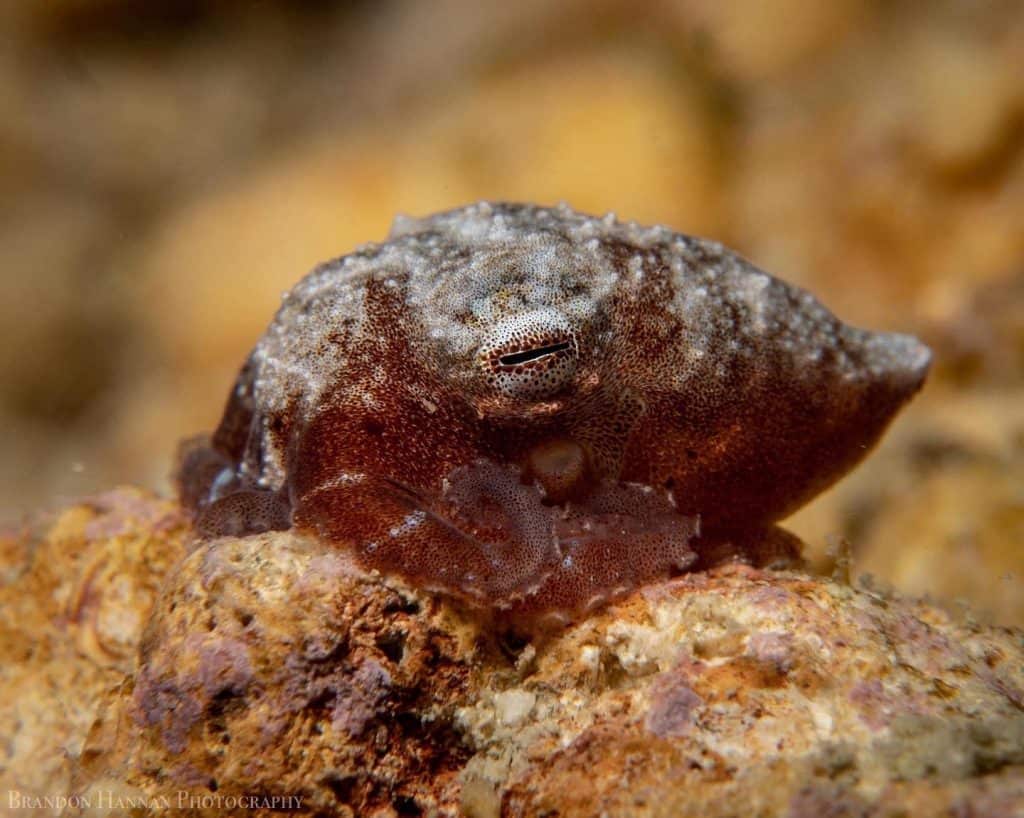
>2.5cm!! >1g!!
Coconut Octopus
very smart and hide in shells or coconuts they find they find; can walk bipedaly: they use 6 arms to hold onto the shells and the last 2 to walk

Cuttlefish
Look cute and cute name; have the best stealth stats of any animal: can change texture, shape, color and can even flash their color changes to hypnotize and confuse other animals. And they still have the ink-jet ability too. Their pupils are W-shaped

Other
Leaf Sheep
These sea slugs have the ability kleptoplasty; when eating algae they incorporate the chloroplast into their body and get their energy from photosynthesis :O

Sand/Ghost Crabs
They’re just cute, funny lil’ guys and I like them scurry around sideways :3

Land Animals
Birds
Birds of Paradise
Hummingbird
Corvids
Lyre Bird
Can imitate pretty much any sound it seems. Also the tail feathers are funny
Swallowssss!!
so cute, so swift
Kea
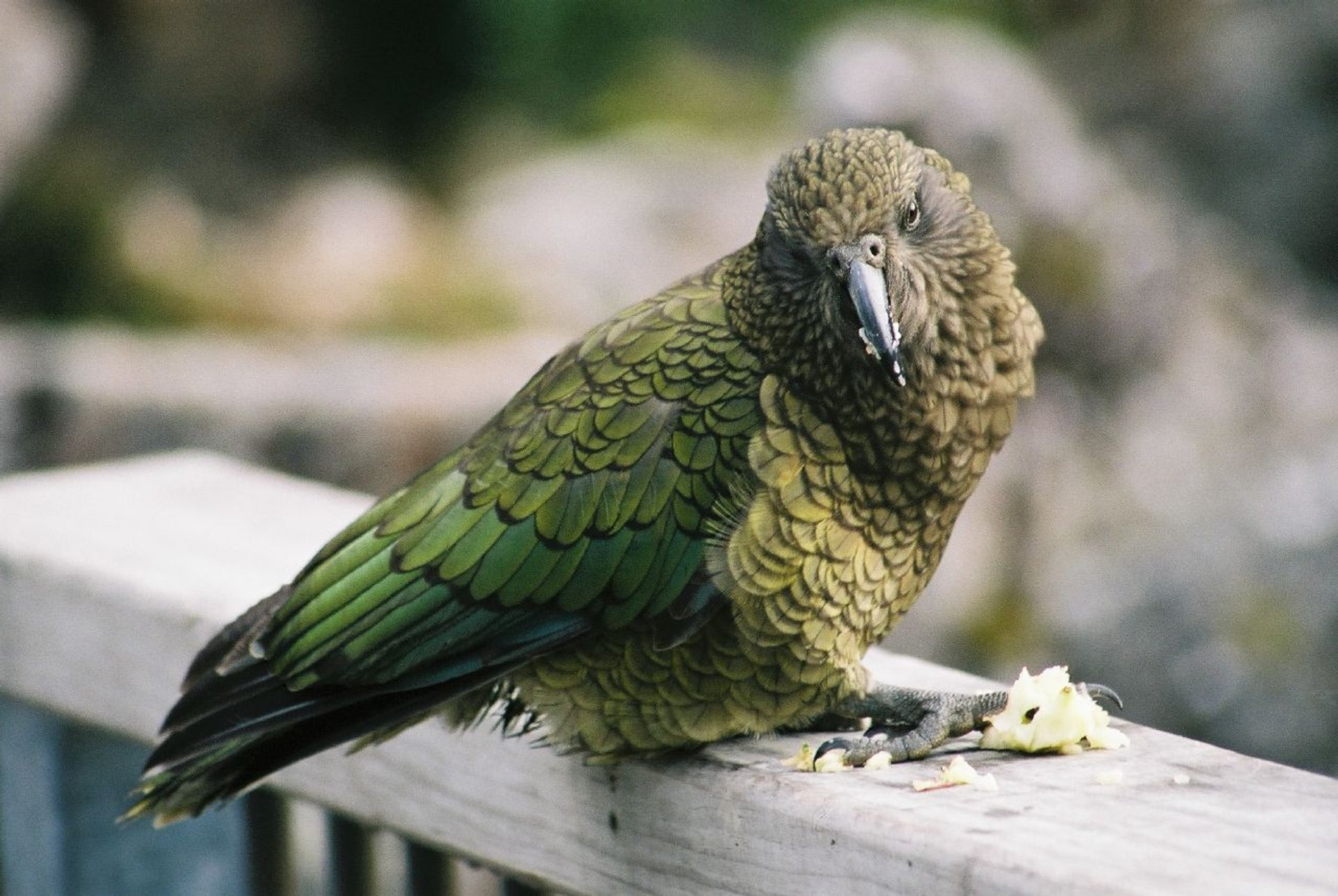
Very curious, intelligent bird species from New Zealand. They can make and use tools, learn through observation and trial-and-error tactics, have impulse control and planning abilities.
Funnily, the more calory dense food they can get/steal from tourists might allow them to spend more time to investigate cars and camps, creating a self-reinforcing feedback loop of being a greater and greater menace :D
Also, rover.me says that they would “If you let them to your dinner table, they will pick from each plate and sip from every cup” and “eat your hamburger and wash it down with beer or a can of Red Bull.”
Mammals
Fennec Fox
They’re also just so cute
Sand Cat
Smallest wild cat species, v fluffy
Bats!
They’re mice but swallows!
Elk
Take a second: Do elks make sounds? What do they sound like? What noise do/would they make?
Now, listen
Insects
Hummingbird hawk-moth
Hummingbirds but as insect class

Dragonfly
- among the best aerial hunters of all insects
- have nearly 360° vision
- can hover and fly backwards
- but they only live a few months; most of their lives (several years) they spend in their larvae stage as nymphs
Nymphs - live underwater
- have gills
- some can jet-propel
- they have a hinged, extendable lower jaw that shoots forward, grabs targets and retracts all in milliseconds
- are mostly ambush predators that eat (amongst other) mosquito larvae
Arachnids
Jumping spiders
- have very cool, interesting visual system
- it’s their most advanced sense
- this makes them incredible hunters (e.g. of other spiders)
- they can move each of their two primary (telescope) eyes independently; they each see only a tiny (but v detailed) part of the environment
- they layered the green and UV photoreceptors at different depths to work around chromatic aberration; this also gives them depth-perception w just one eye alone
- this is necessary bc they are so small, they can’t have vast amounts of photoreceptors in their eyes like we do; yet they still have amazing vision
- all the other 6 eyes are like our peripheral vision (poor resolution, highly sensitive to motion), but bc they have 6 of those they have basically all-around peripheral vision
- they see even better than dragonflies
- about 1/8 spider species is a jumping spider
- some are soooo cuteee
- their mating behavior looks v funny (and cute bc most of them are so tinyy)
- most info is from this video
- I can highly recommend Children of Time by Adrian Tchaikovsky
- in the first book sentient, highly intelligent Portian jumping spiders (who are an actual, quite intelligent species) develop a society over many, many generations. Has also other plots that eventually converge. Very good book, very good series. Tchaikovsky studied both zoology and psychology, which makes his books really interesting.